
In power infrastructure, progress is often measured in megawatts and policies. But on the ground, real progress is measured in execution how accurately, safely, and consistently infrastructure is built.
Power transmission and substation projects operate in zero-tolerance environments. Small deviations in alignment, tension, or foundation work can affect system performance for decades. This is where execution discipline becomes as important as design itself.
Infrastructure Is Built in the Field, Not on Paper
Engineering drawings define intent—but field conditions define outcomes. Terrain variability, access challenges, weather constraints, and logistics often demand adaptive decision-making during construction.
Companies like Tebina Construction, working directly in Nepal’s varied geography, operate where plans meet reality. Their role is not only to build structures, but to translate engineering intent into assets that can withstand environmental and operational stress over time.
The Hidden Complexity of Transmission Projects
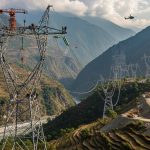
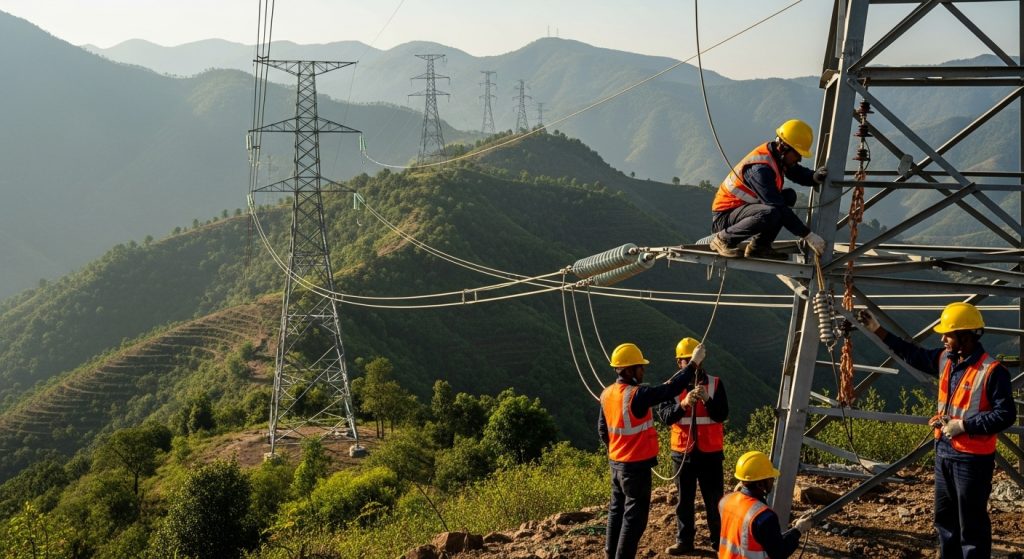
Transmission infrastructure is often invisible once completed, yet it carries immense responsibility. Each stage—foundation work, tower erection, conductor stringing, and system alignment—requires precision and coordination.
What differentiates dependable infrastructure is not speed alone, but:
- Accuracy in execution
- Consistency across sites
- Respect for safety margins
- Long-term performance thinking
These factors rarely make headlines, but they define grid reliability.
Safety as an Engineering Requirement, Not a Checklist
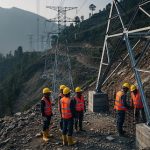
In high-voltage construction, safety is not a procedural add-on—it is a core engineering requirement. Every site condition, tool, and workflow must align with risk management principles.
A disciplined safety culture protects people, but it also protects infrastructure quality. Safe projects are controlled projects and controlled projects perform better over time.
Building for Decades, Not Deadlines
Power infrastructure is expected to operate for 30 to 50 years or more. That reality demands a mindset focused beyond project handover.
Construction partners like Tebina Construction contribute to Nepal’s energy ecosystem by emphasizing durability, compliance, and execution reliability—qualities that ensure infrastructure continues to deliver value long after construction ends.
The Real Measure of Progress
Nepal’s energy transition depends not only on adding generation capacity, but on ensuring that power can be transmitted, distributed, and sustained reliably.
Execution-focused infrastructure may not always be visible—but it is essential. And in the long run, it is execution that turns energy potential into energy security.