
Proper construction sequencing in electrical projects is critical to ensuring safety, managing risks, and maintaining workflow efficiency. Coordinating civil, mechanical, and electrical activities in the correct order prevents accidents, avoids equipment damage, and reduces costly delays.
Why Construction Sequencing Matters for Electrical Safety
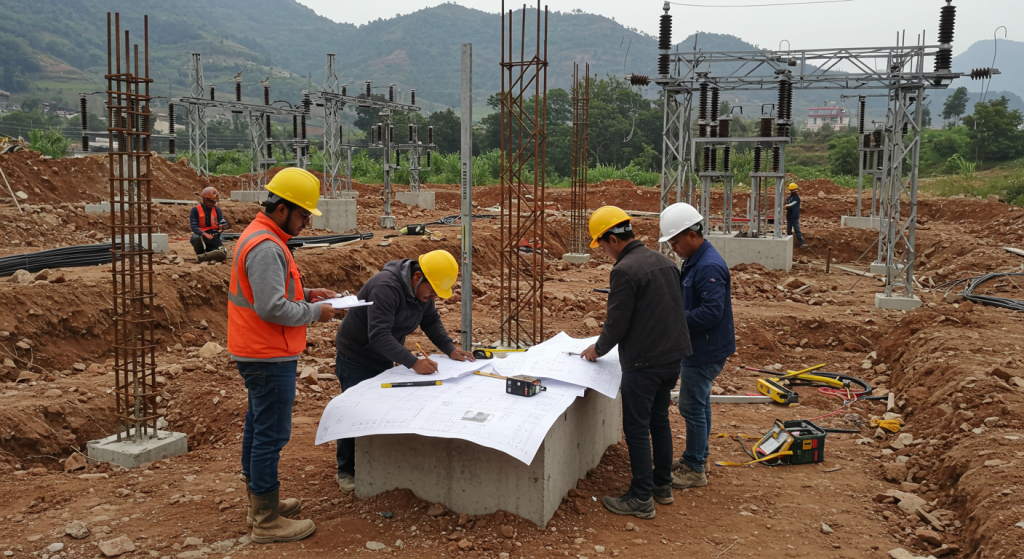
Sequencing establishes a clear roadmap for project teams. Civil works such as foundations, trenches, and substation bases must be completed and verified before mechanical structures are installed. Electrical systems, including cabling and switchgear, are then implemented only after supporting structures meet design and safety standards.
This structured approach prevents overlap, minimizes hazards, and keeps teams safe. Coordination among civil, mechanical, and electrical crews ensures compliance with local and international safety standards.
Step-by-Step Sequencing for Risk Reduction

- Civil Works First: Complete and inspect foundations, trenches, and grounding systems before mechanical or electrical tasks begin.
- Mechanical Installations: Erect support structures, panels, and mounting systems only after civil verification to ensure stability.
- Electrical Implementation: Perform wiring, terminations, and commissioning after prior phases are verified and risk assessments completed.
Field teams often follow international guidelines, such as IEEE 1202 standards for electrical project safety, to ensure each phase is executed safely.
Field Insights from Tebina Construction Projects
Projects by Tebina Construction across Nepal demonstrate that structured sequencing reduces incidents and improves efficiency. Using checklists, pre-commissioning inspections, and real-time monitoring, teams safely progress through each phase. Structured sequencing improves safety, quality, and project reliability — essential for modern power infrastructure.
Conclusion
Construction sequencing in electrical projects is essential for risk mitigation, worker safety, and operational efficiency. Tebina Construction embeds sequencing protocols and field inspections in every project, ensuring safe execution from civil foundations to energized electrical systems.
Explore related insights on Substation Earthing Methods for Reliable Ground Resistance and Transmission Tower Foundations in Nepal.
For collaboration or project inquiries, visit our website.


